
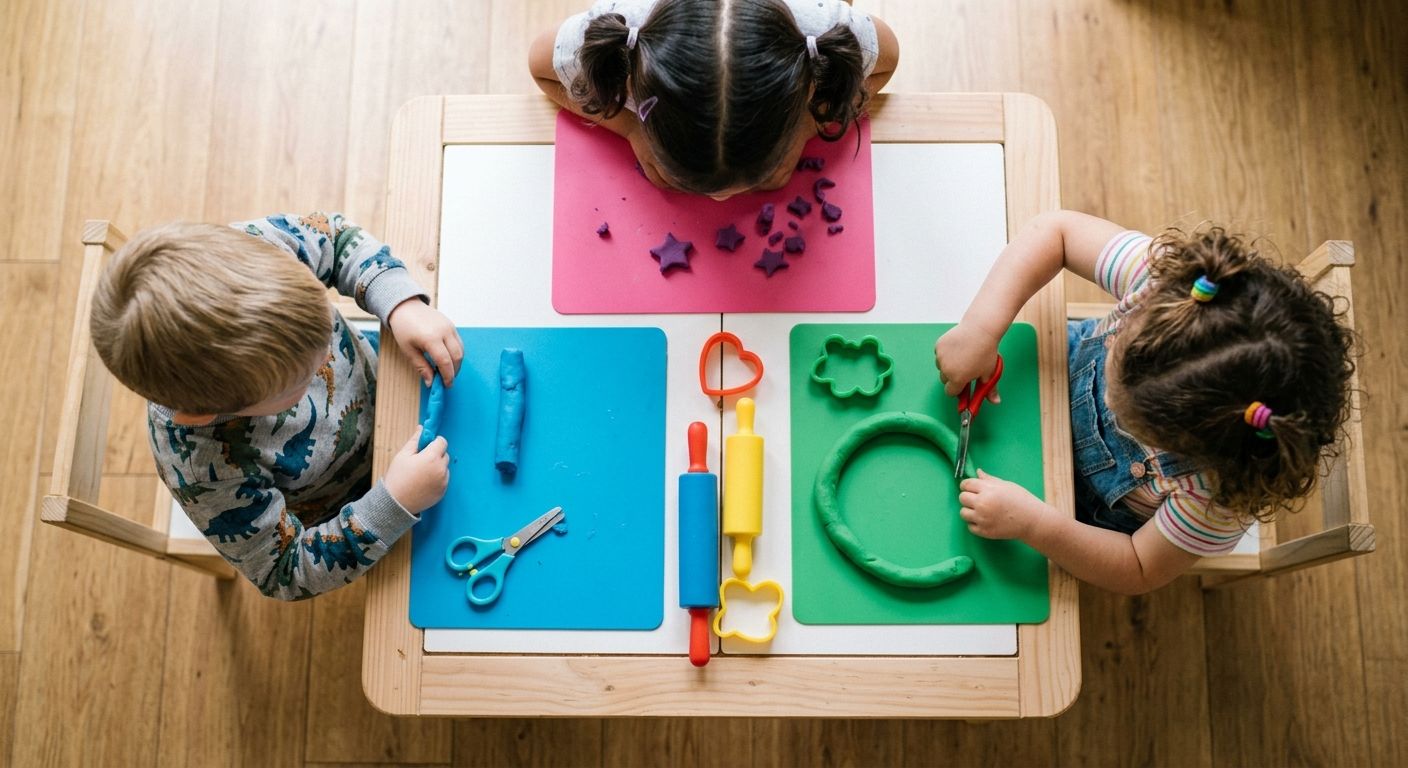
Strong hands are the foundation for so many essential skills; writing, dressing, eating, and playing. But for many children building hand strength requires targeted practice. One of the best ways to build hand strength is through play! Creative and engaging activities can help support fine motor development and build dexterity in the hands.
Why Is Hand Strength Important?
If hand strength is underdeveloped, children may fatigue quickly, avoid fine motor tasks, or struggle to keep up with classroom demands. Hand strength supports:
-
Pencil control and handwriting
-
Scissor skills
-
Buttoning, zipping, and tying
-
Carrying and manipulating objects
-
Independence in self-care and school tasks
Key Muscle Groups for Hand Function
-
Intrinsic hand muscles: for refined movements (e.g., pinching, grasping)
-
Wrist and forearm muscles: for stability and control
-
Shoulder and core strength: for postural support while using the hands
That means hand-strengthening activities should include a whole-body approach!
Playful Activities to Build Hand Strength
1. Playdough and Putty Play
-
Roll, squish, pinch, and stretch dough or therapy putty
-
Hide small beads or toys inside and have your child dig them out
-
Create shapes or letters to add a literacy component
2. Squeeze and Squirt
-
Use spray bottles to water plants or clean windows
-
Play with turkey basters or pipettes in water play
-
Squeeze sponges during bath time or while washing the car
3. Tongs and Tweezers
-
Pick up pom-poms, cotton balls, or beads with tongs
-
Transfer items between bowls for sorting or counting games
-
Use "grabbers" during scavenger hunts around the house
4. Cutting, Snipping and Hole Punching
-
Start with snipping straws or playdough snakes before progressing to paper
-
Use craft punches to make shapes
-
Try cutting around pictures, lines, or shapes for more control
5. Vertical Surfaces and Weight-Bearing Play
-
Draw or write on an easel or chalkboard
-
Do wall push-ups or crawling games
-
Wheelbarrow walking or animal walks (bear, crab, frog jumps)
Adapting Activities for Different Ages or Abilities
You can modify tasks by:
-
Changing the resistance (e.g., using softer vs. firmer putty)
-
Enlarging tools for easier grip
-
Using visual or tactile cues for guidance
-
Offering hand-over-hand support if needed
Hand strength doesn’t have to be built through boring exercises! Play is one of the most powerful tools we have! Whether your child is developing early skills or needs help catching up, these fun activities support stronger, more coordinated hands.